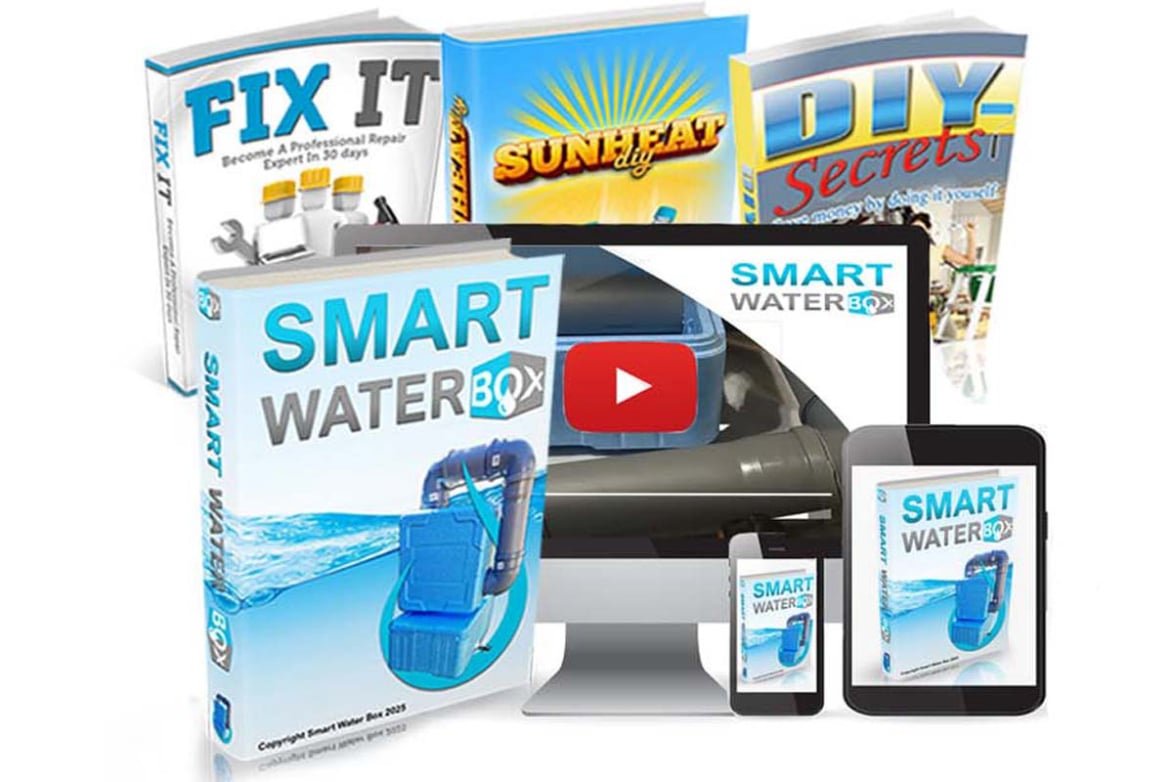
Smart Water Box™ – Explore the DIY Water Guide
Looking for practical ways to prepare for changing water needs? Smart Water Box presents a do-it-yourself guide about collecting moisture from the air and understanding the basic principles behind atmospheric water generation. The idea may appeal to households interested in emergency planning, off-grid living, or learning about alternative water options. Actual water output depends on the design, available energy, temperature, humidity, and other operating conditions.
The guide is intended to make the topic easier to explore with step-by-step information and a list of materials to review before starting. Before building or using any homemade water-collection system, check local rules, follow electrical and equipment safety guidance, and arrange appropriate testing and treatment. Condensed water should not be assumed safe to drink unless it has been properly treated and verified.
Smart Water Box: Reader Considerations

Example Reader 1
Illustrative Experience — Not a Verified Review
An at-home water project can be interesting to explore, especially when reliable supply is a concern. Before starting, I would review the materials list carefully, compare the project with other options, and make sure I understood the safety and maintenance requirements. The guide is a starting point for research rather than a guarantee of a particular daily water output.

Lisa
Illustrative Experience — Not a Verified Review
For families, preparation begins with understanding what a DIY water system can and cannot do. I would check the setup requirements, operating costs, and water-treatment steps before relying on it. A homemade system should be tested appropriately, and a dependable backup supply is still important.

Example Reader 3
Illustrative Experience — Not a Verified Review
Emergency planning has to account for realistic equipment limits. A DIY guide may help explain the basic concept, but it should not be treated as proof that a device will supply enough water during a crisis. I would compare verified equipment specifications and keep an established emergency water plan in place.
What Is Smart Water Box?
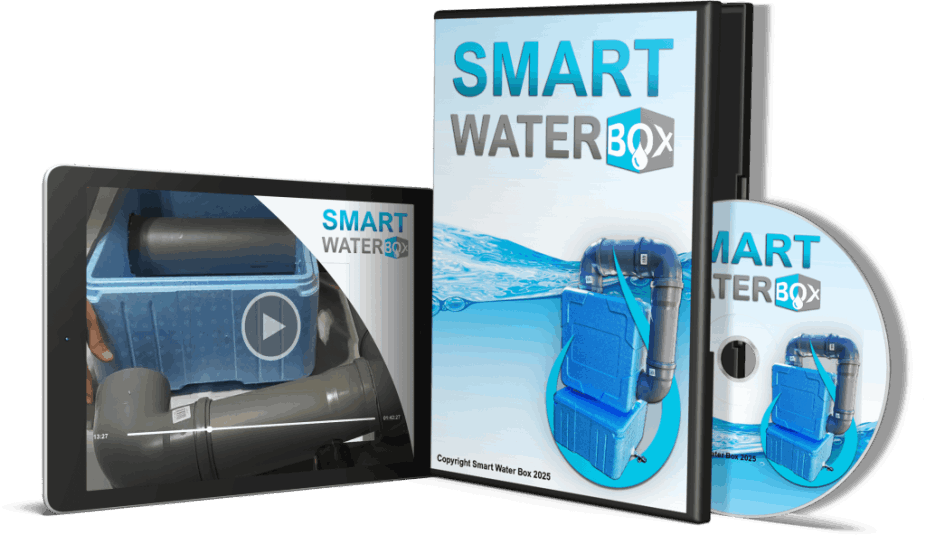
Smart Water Box is presented as a do-it-yourself guide focused on the concept of collecting moisture from the air. Atmospheric water generation generally involves drawing in air and cooling it so moisture can condense. The amount collected varies considerably with humidity, temperature, equipment design, and power availability. The guide describes a DIY approach for people who want to learn about this concept, but the actual performance of a homemade system must be assessed rather than assumed.
The underlying idea of condensing water from air is a real physical process, but practical systems can require suitable components, energy, maintenance, and effective water treatment. The guide is informational; it does not by itself establish a particular output, operating cost, or level of drinking-water safety. Review the instructions carefully and consider professional advice before building or relying on a system.
How Does Smart Water Box Work?
Atmospheric Water Generation (AWG):
Air containing moisture is drawn toward a collection area. The amount of moisture available depends on the surrounding air and the conditions where the device is used.
Cooling and Condensation:
When air is cooled below its dew point, some of its water vapor can condense into liquid droplets. The process requires an appropriate design and may consume energy.
Collection and Filtration:
Collected condensate may contain contaminants from the air, equipment, or storage surfaces. Suitable treatment and testing are necessary before considering it potable.
Storage:
Collected water needs a clean, suitable container and proper handling. Follow reliable water-storage practices and avoid assuming that clear-looking water is safe.
On-Demand Water Supply:
Water output is not guaranteed. Any real-world yield depends on the device design, humidity, temperature, operating time, and energy supply; verify specifications before relying on it.
No External Infrastructure Required:
A DIY system may not need a connection to a municipal water pipe, but it can still require power, materials, maintenance, and other resources.
Energy Efficient:
Cooling and air-moving components can use electricity. Solar power may be an option for some designs, but energy requirements and system compatibility should be checked.
Simple to Build:
The guide is intended to explain the build process and materials. Review the full instructions, safety requirements, and local regulations before attempting construction.
Who Is Behind Smart Water Box?
The guide attributes its authorship to the pen name
James Anderson. The information presented here does not independently verify the author’s identity, background, or development history. Readers should evaluate the guide based on its contents and available product details.
The story also refers to a relative described as a retired
U.S. Marine combat engineer, and says that this person inspired the project. These background details should be regarded as claims made in the promotional material unless independently substantiated.
The promotional material describes the development of the
Smart Water Box. As with any DIY project, review the actual plans, parts list, safety guidance, and realistic performance expectations before deciding whether it suits your needs.
The Principles Behind Atmospheric Water Collection
Condensation of Water Vapor:
Moist air can release some of its moisture when cooled below its dew point. The amount that condenses depends on local air conditions and the system’s design.
Heat Exchange Process:
A cooling surface or heat exchanger can lower air temperature enough for condensation to occur. This process requires suitable components and energy.
Collection of Condensed Water:
Droplets can be collected in a reservoir, but the collection surfaces and container must be kept clean to limit contamination.
Filtration and Purification:
Filtration alone does not automatically make condensate safe to drink. Treatment should be appropriate to the possible contaminants, and water quality should be tested when intended for consumption.
Energy Efficiency:
Fans and cooling components may need electricity. Energy use varies by design, and solar operation should not be assumed without checking the system’s requirements.
Humidity and Temperature Dependency:
Temperature and relative humidity influence how much water can be collected. Low humidity or unsuitable temperatures can reduce output substantially.
Continuous Water Supply:
Water production can vary from hour to hour and location to location. Do not rely on a DIY device as your only water source without verified performance and an appropriate backup.
What Does the Smart Water Box Guide Include?
- Complete Smart Water Box Guide: A step-by-step guide intended to explain the project and its assembly process. Review the instructions to determine whether they provide enough detail for your skill level.
- Full Materials and Tools List: A materials and tools checklist to help you identify the parts you may need and estimate the total project cost.
- Safety and Water Storage Protocols: General guidance on handling and storing collected water. Use reliable public-health advice and testing to determine whether water is safe for drinking.
- Lifetime Support: Check the seller’s stated support options and availability before purchase; the scope and duration of support should be confirmed in the offer terms.
- Bonus #1 – SunHeat DIY Solar Water Heating Blueprint: A supplementary guide describing a DIY solar water-heating concept. Review its requirements and safety considerations before attempting a build.
- Bonus #2 – Home DIY Secrets: Additional ideas for household maintenance, repairs, and practical home projects.
- Troubleshooting and Upgrade Notes: Reference notes that may help with understanding upkeep and possible adjustments. Any changes should follow safe equipment practices.
Potential Benefits and Practical Considerations
- Independence from the Grid: The concept explores collecting moisture from air rather than drawing water directly from a municipal pipe. It does not remove the need for suitable conditions, energy, maintenance, and treatment.
- Cost-Effective: Costs depend on the materials, energy use, replacement parts, testing, and maintenance required. Compare these expenses with other water options before assuming savings.
- Sustainability: A DIY approach may reduce dependence on some single-use bottled water in certain circumstances, though its overall environmental impact depends on materials, energy, and performance.
- Emergency Preparedness: A water project may be one part of emergency preparation, but its reliability must be established. Keep an appropriate backup supply and follow local emergency guidance.
- Easy to Build and Maintain: The guide aims to make the process easier to follow. Building skill, suitable tools, and attention to safety may still be required.
- Clean, Drinkable Water: Water collected from air is not automatically potable. Use appropriate treatment and independent water-quality testing before drinking or cooking with it.
- Scalable: Whether a design can be expanded depends on its components, power requirements, space, and operating conditions. Do not assume multiple units will be practical or cost-effective.
- Energy Efficient: Energy needs vary by system. Check power consumption and the requirements of any proposed solar setup before planning off-grid use.
- Freedom from Water Restrictions: A DIY system does not guarantee protection from water restrictions, contamination, or supply interruptions. Follow local rules and maintain alternative arrangements.
- Bonus Benefits: The offer may include supplementary DIY resources. Review the checkout details to confirm exactly which materials are included.
Explore the Smart Water Box Bonuses
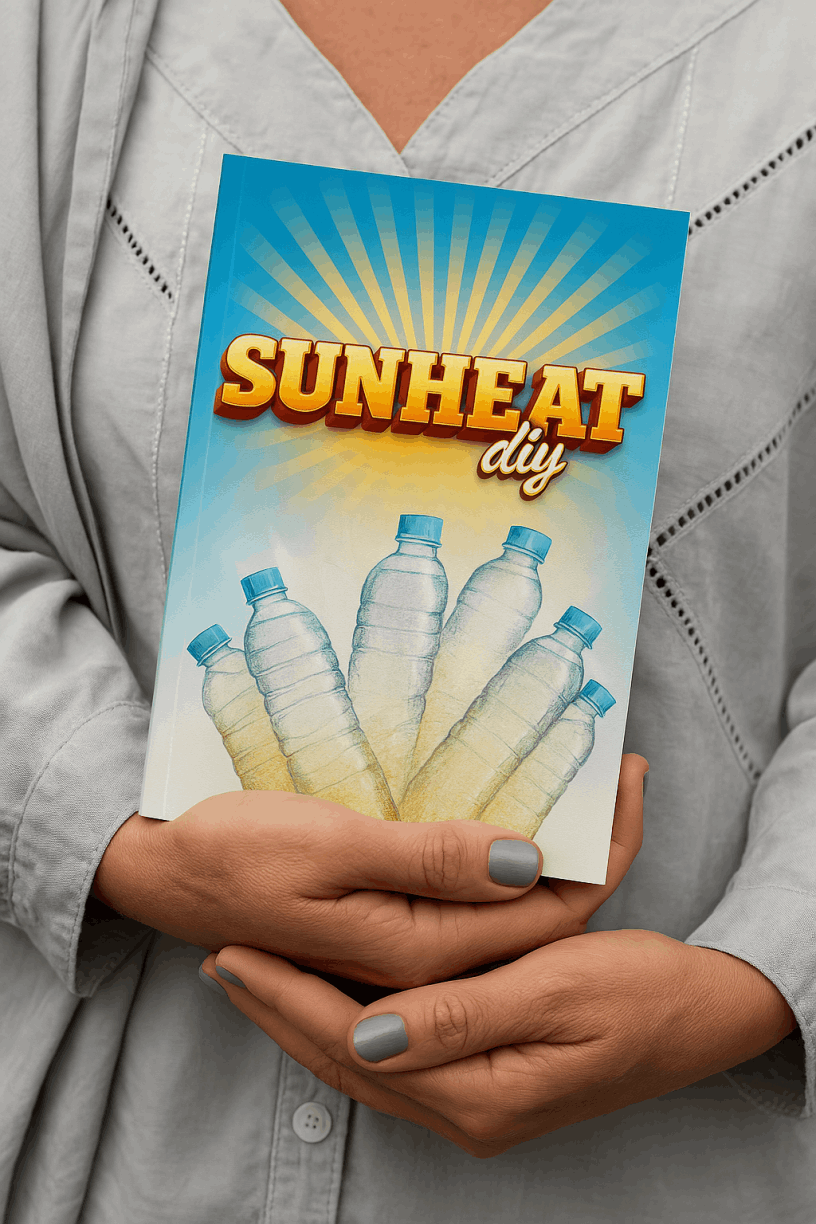
Bonus #1 – SunHeat DIY Solar Water Heating Guide
This supplementary guide introduces a solar water-heating project and discusses using sunlight to warm water. Results depend on design, weather, available sunlight, and safe installation; review all precautions before building or using a homemade heater.

Bonus #2 – Home DIY Ideas
Explore practical ideas for routine home maintenance, simple repairs, and budget-conscious improvements. Choose projects appropriate to your skills and follow relevant safety guidance.

Bonus #3 – Support Information
Review the offer details to learn what support is available, how to contact the seller, and whether any time or usage limits apply.

60-Day Refund Policy — Review the Terms & Conditions
The promotional offer refers to a 60-day refund period. Before ordering, read the seller’s current refund terms and confirm the applicable process, deadlines, and any conditions. Contact the seller or retailer listed on your order if you need clarification.
Smart Water Box: Pros and Cons
Pros
Off-Grid Independence: May offer a way to explore air-moisture collection without connecting directly to a municipal water pipe; practical independence depends on the build and operating conditions.
Cost-Effective: The total cost includes parts, power, maintenance, and water testing. Savings are not guaranteed and should be compared with other available options.
Environmentally Friendly: Depending on how it is built and operated, a DIY project may reduce some bottled-water use. Materials and energy consumption also affect its environmental footprint.
Emergency Ready: It may be considered as one element of emergency planning, but do not assume it will operate during a power outage or produce enough water without testing.
Easy to Build: Written instructions can help explain assembly, although some steps may require tools, practical skills, and careful attention to safety.
Cons
Dependence on Humidity: Collection can fall substantially in low-humidity or unsuitable temperature conditions.
Initial Setup: Planning, assembly, cleaning, testing, and maintenance require time and attention.
Limited Water Production: The guide does not establish a verified daily yield. Check independently supported specifications for the specific design and conditions.
How to Approach the Smart Water Box Project
Gather Materials: Read the full guide and make a checklist of required parts, tools, estimated costs, and safety precautions before buying materials.
Assemble the System: Follow the supplied instructions carefully. Do not improvise electrical or cooling components unless you understand the risks and requirements.
Position the Device: Choose a suitable location with appropriate airflow and protection from weather, following the design’s instructions and local rules.
Power the Unit: Confirm the system’s voltage, power draw, and electrical safety requirements. Do not assume solar panels will power it without a compatible setup.
Activate Operation: Operate the device only as described in the instructions and monitor it during initial use.
Check Water Production: Record operating conditions and collected volume so you can assess actual performance rather than rely on estimates.
Filter and Store Water: Use appropriate treatment and testing before drinking collected water. Store it in a clean, food-safe container.
Use the Water: Only use the collected water for drinking, cooking, or other purposes after confirming it meets the relevant safety requirements.
Maintain Regularly: Inspect and clean the equipment as directed, replace parts when needed, and discontinue use if contamination or damage is suspected.
Who Might Be Interested in the Guide?
Off-Grid Homeowners: People exploring alternative water options for homes outside municipal service areas, while recognizing that a DIY design may not meet all household needs.
Preppers and Survivalists: People interested in emergency preparation who want to learn about water collection concepts alongside established emergency supplies.
Eco-Minded Individuals: Readers exploring ways to reduce single-use packaging while weighing the energy and material impacts of a DIY system.
Families in Drought Regions: Households in dry regions may find the concept interesting, but low humidity can limit water collection and make other solutions more suitable.
Homesteaders: Rural residents considering different water options should compare costs, local regulations, water quality, and the reliability of each approach.
Emergency Readiness Advocates: People planning for disruptions should maintain a dependable backup supply and follow local emergency recommendations.
Rural Settlements: Communities with limited water access should assess tested, appropriately sized systems rather than rely on unverified DIY output.
Quality-Conscious Users: Anyone concerned about water quality should use certified treatment methods and suitable testing rather than assume air-collected water is safe.
A Few Things to Consider
If any of these water-supply challenges concern you, review the options and their limitations carefully.
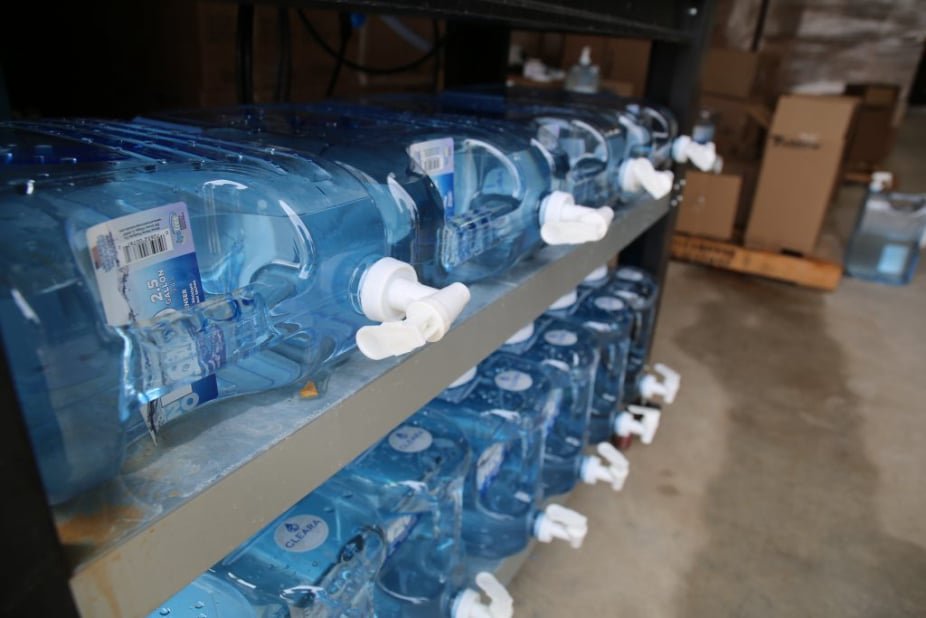
Contaminated Water: Water quality varies by location and source. Check local water-quality reports and use appropriate certified treatment when needed.
Legal Barriers: Rules for rainwater collection, wells, and water equipment vary by location. Check your local regulations before building a system.
Environmental Damage: Bottled water and powered equipment both have environmental costs. Compare packaging, materials, energy use, and expected lifespan.
Health Concerns: If you have concerns about drinking-water quality, consult local public-health guidance and use tested treatment methods.
Drought Vulnerability: Dry weather and low humidity can limit atmospheric water collection. Consider local conditions before choosing a system.
Supply Disruptions: Water service interruptions can happen. Keep an appropriate emergency supply and follow guidance from local authorities.
Questions to Consider Before Choosing Smart Water Box
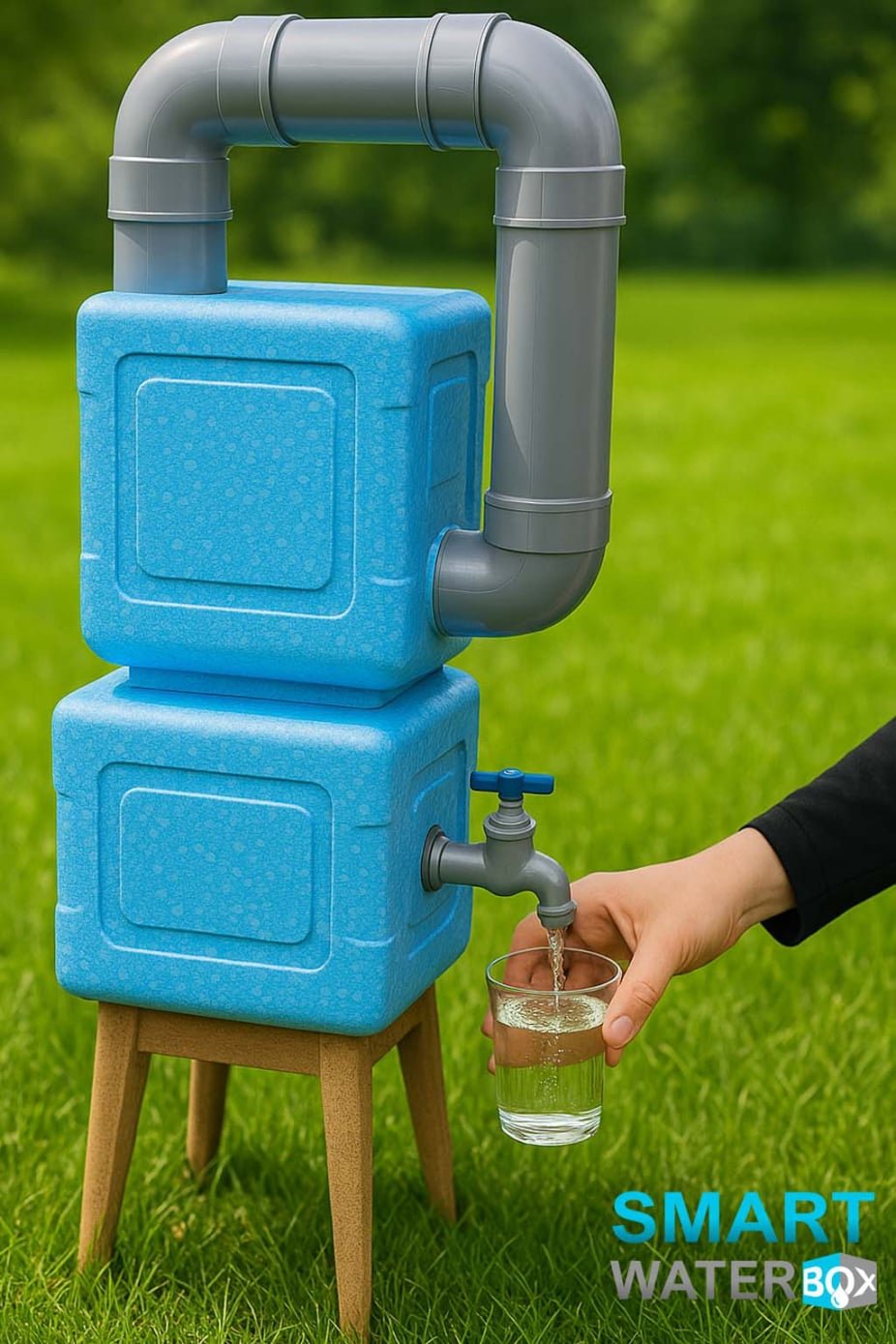
Contaminated Water: The guide describes a water-collection concept, but no homemade system should be considered toxin-free without suitable treatment and testing.
Legal Restrictions: Check local regulations before collecting or producing water; a DIY guide cannot override restrictions or building and electrical codes.
Eco Impact: Consider the complete environmental impact, including the energy needed for cooling, materials, replacement parts, and disposal.
Health Safety: Water safety depends on the source, equipment hygiene, treatment, and testing. Do not assume condensate is chemical-free or safe to drink.
Drought Resilience: Output depends on humidity, temperature, system design, and power. Performance in dry conditions should not be assumed.
System Outages: A DIY unit may not work during a power interruption and should not replace a verified emergency water plan.
Review the Smart Water Box Offer Before You Order
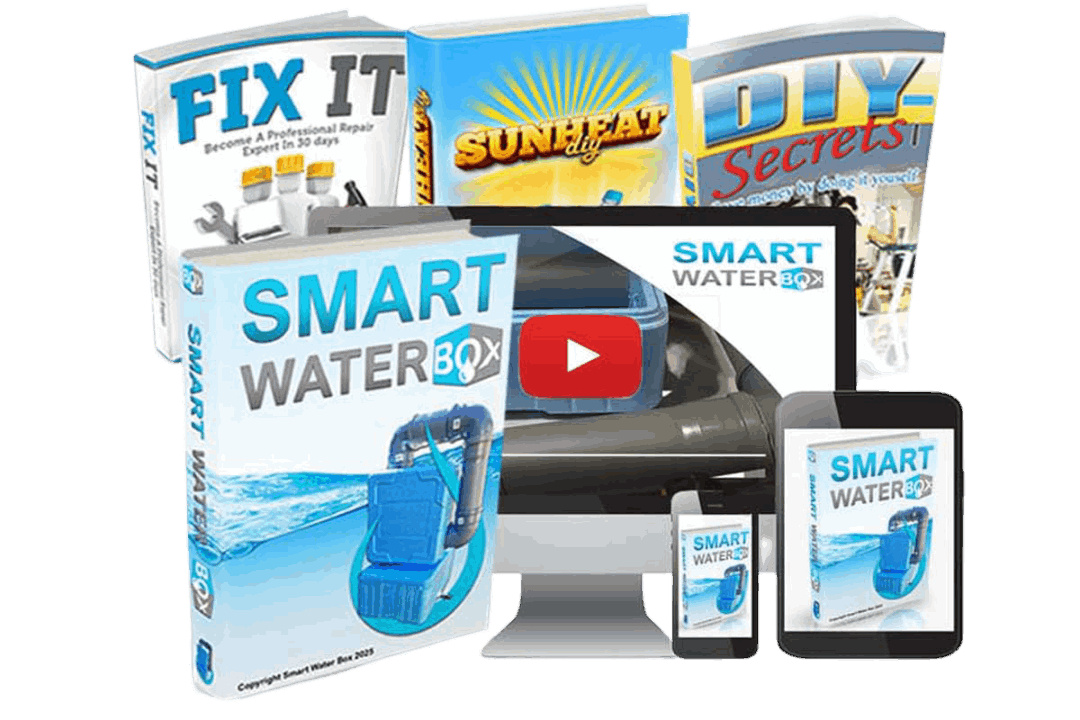
Listed Price: $149
Offer Price: $39.69
What Happens After You Select “Buy Now”?
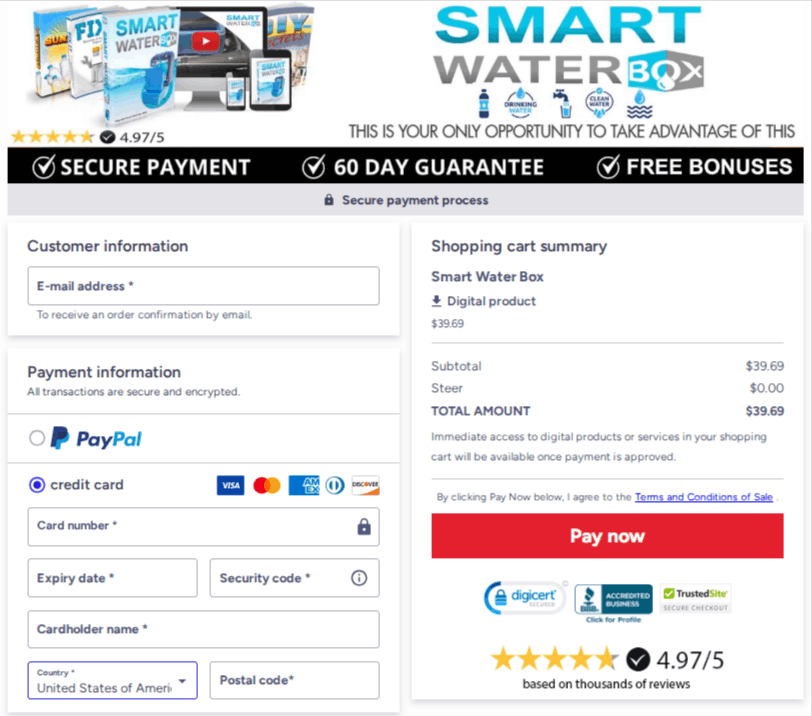
Click the “Buy Now” Select the “Buy Now” button to continue to the checkout page. Review the product description, final price, payment details, and terms before completing your order. access to the digital materials as described by the seller after checkout, subject to the current offer terms.
How Is Payment Information Handled?
Review the checkout page’s privacy and security information before entering personal or payment details. Confirm that the page uses a secure connection and that you are purchasing from the intended retailer.
The offer states that payments are processed through ClickBank, but you should review the current checkout details and retailer policies to understand the transaction and available support.
Important Information:
The seller’s promotional material refers to a
60-day money-back guarantee refund period. Read the applicable policy carefully, including the deadline and instructions for requesting a refund.
Consider the guide as informational material, compare it with other sources, and verify claims about water output, safety, costs, and performance before relying on the project.
For product questions, use the support contact shown on the official checkout or product documentation.
Smart Water Box FAQs
That depends on the design, available space, ventilation, noise, power needs, and building rules. Review the full instructions before deciding whether it is suitable.
Potential uses depend on the water quality and local guidance. Do not use untreated or untested water for drinking or cooking; choose uses based on an appropriate safety assessment.
Outdoor use depends on the design and weather protection requirements. Follow the instructions and protect electrical parts and collection surfaces as directed.
The required parts depend on the design. Check the guide’s complete materials list and verify component suitability, costs, and safety requirements before purchasing anything.
No single output can be assumed across all conditions. Temperature, humidity, power availability, and design affect performance, and very dry conditions may greatly reduce collection.
The information on this page is general and is not a substitute for advice from a qualified professional. For water-safety questions, consult local public-health authorities or a qualified water-testing professional. Follow applicable regulations and equipment-safety guidance.
The product and promotional statements have not been independently verified here. Do not interpret this page as a guarantee of water production, drinking-water safety, savings, or suitability for a particular location.
This website and the associated guide are provided on an “AS IS” and “AS AVAILABLE” basis. Research claims independently and review the seller’s terms, product details, and refund policy before making a purchase.
ClickBank is identified as the retailer for the products promoted on this website. CLICKBANK® is a registered trademark of Click Sales, Inc. The retailer’s role does not itself mean that it endorses or verifies the product or the promotional claims.
International orders may have additional shipping charges or other terms. Confirm the total cost and delivery conditions at checkout.